

Just a little heads-up: a few of the links you’ll see are referral (affiliate) links. That means if you click through and treat yourself to something, I might get a tiny thank-you in return, but don’t worry, it won’t cost you a penny more. I only share things I truly love or think you’ll find useful. Thanks for helping keep this blog going!
Just before we left Singapore, we decided to squeeze in some winter skiing in Japan. We knew that as soon as we landed back in the UK, skiing in Japan probably wouldn’t work anymore thanks to the long journey, so it really did feel like now or never.
Choosing Where to Ski in Japan: Hakuba, Nozawa Onsen or Niseko
Luckily, skiing in Japan is hugely popular amongst expats, and we had lots of friends helping us work out where to go and how to get there.
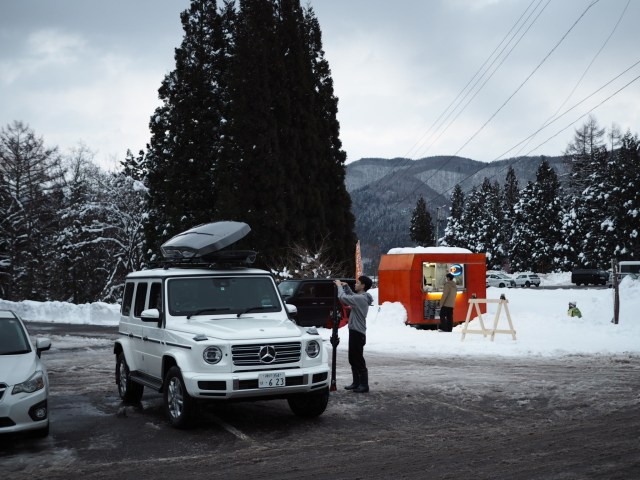
The three regions that kept coming up were Hakuba, Nozawa Onsen, and Niseko. Niseko meant an internal flight transfer after arriving in Tokyo, which felt like a step too far, so that was off the list. We’d also booked quite late, so accommodation availability became the deciding factor, and Hakuba came out on top.

Nagano near Hakuba also hosted the 1998 Winter Olympics, so it’s very well geared up for skiing. It’s made up of several valleys, and we stayed in the first one, which turned out to be perfect for us.
Spending Christmas in Tokyo Before Heading to the Slopes
We booked our flights on Christmas Day in the evening. With no family over, it was actually quite an easy day, a swim at the beach in the morning, takeaway Christmas lunch from the Shangri-La, then off to the airport by 7pm.

Having never flown on Christmas Day before, I had visions of a festive, cosy, Christmassy affair. Apart from a wreath hanging inside the plane windows, though, everything was disappointingly exactly the same.
Bullet Train Travel in Japan (and a Booking Mishap)
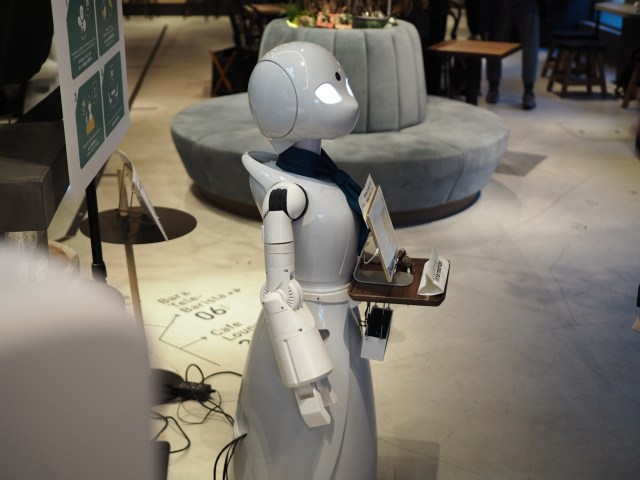
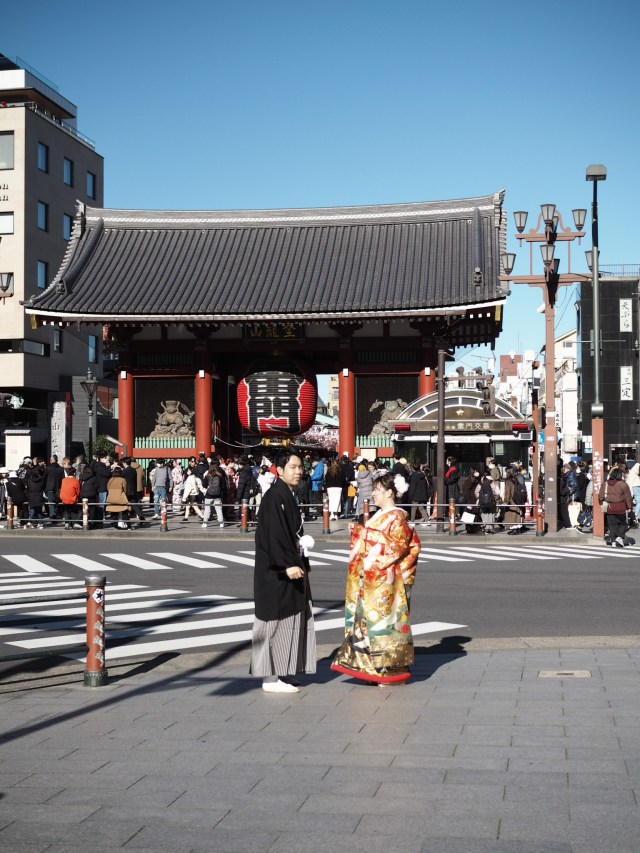
We spent two nights in Tokyo, which was incredible. It’s such a calm, quiet city despite being full of people, crisp winter air, blue skies, temples, shops, and all the good things. So much to do that it’ll get its own post.
My husband ran off at the airport to book all our train tickets while I sat drinking matcha at Starbucks with the kids. He came back looking very pleased with himself for booking tickets into town and the bullet train onwards. It wasn’t until the next morning that he realised he’d booked them to Nagoya not Nagano, near Hakuba. Cue a quick dash back to the train station, thankfully we managed to switch them.
Tokyo Station itself was another level of busy. Everybody apart from us seemed to know exactly where they were going, darting between platforms and walkways like it was second nature. How we found the right platform I’ll never know. We stocked up on bento boxes and sushi, stood in the correct line, and once onboard, quietly sped across the landscape, no drama, no g-forces, just calm train travel.
Once we arrived in Nagano it was a short coach trip up into the mountains to start our ski holiday.
Family Skiing in Hakuba: What It’s Like for Beginners
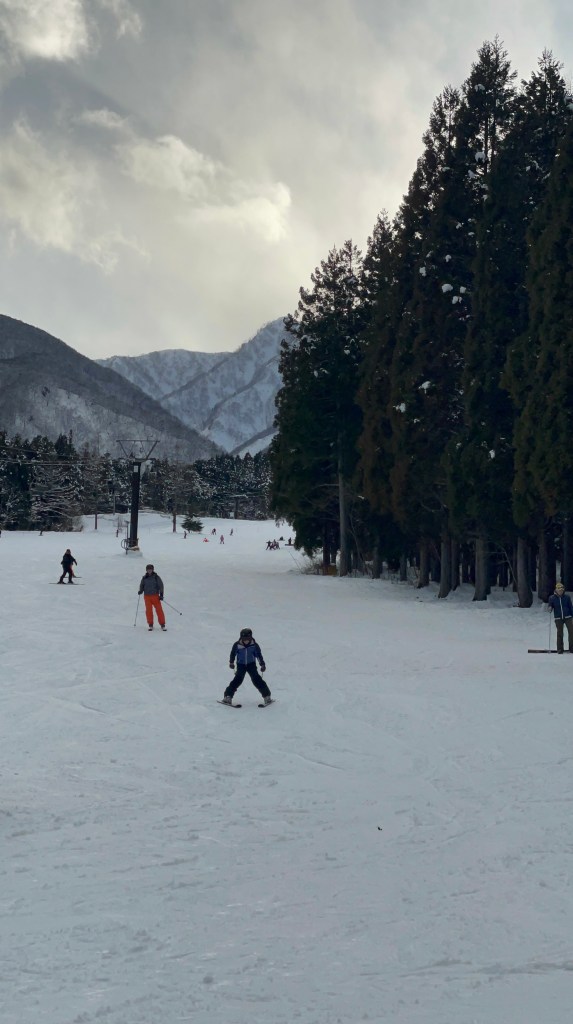
Because we booked so late, the group ski lessons for our kids were fully booked, which actually worked in our favour. They ended up in private lessons, just the two of them, and were impressively skiing down the mountain on day one.
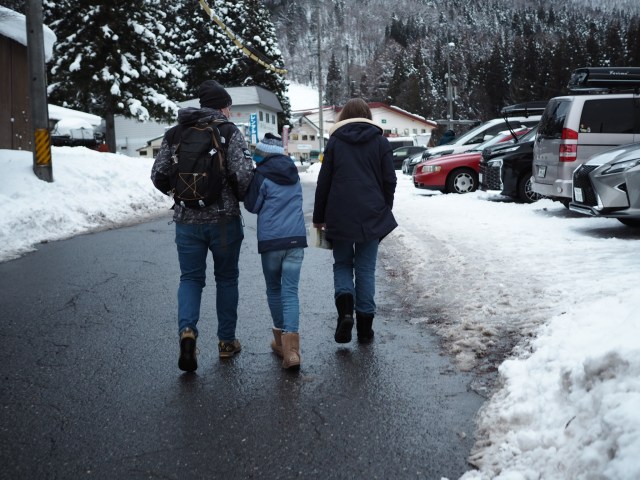
The valley we stayed in was brilliant for beginners, with lots of gentle runs but enough variety to keep things interesting. Night skiing was included too. There were also around three mountain restaurants we regularly stopped at for lunch, all serving hot sake, the Japanese version of mulled wine, which is absolutely a winner in my book.
Tip: Book ski lessons in advance to secure ski school spots.
Where to Stay in Hakuba: A Traditional Surprise
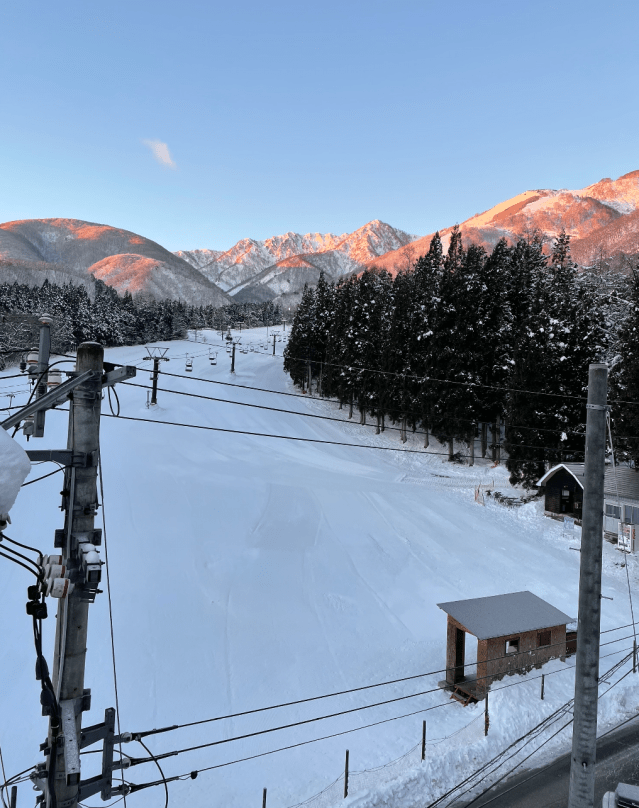
Our hotel was just over the road from the ski lifts, which made everything so easy, pop out early, back in for lunch and a rest, then back out again in the afternoon.
What we didn’t realise was that my husband had booked us a traditional Japanese room, meaning mats on the floor instead of beds. We asked the hotel to double them up, but I won’t sugar-coat it, I didn’t sleep well the entire time. There were also no sofas or communal spaces to lounge in after skiing, so we often found ourselves getting a taxi into the next town to use the hotels and onsens there instead.
The Happo became a regular, as did a couple of other spots. The Happo offered a lovely, friendly bar and did a light dinner that the kids enjoyed most, we also ate in their fine dining room one night which was delicious. We also had a very good pizza one evening in Blizzard, which felt like a small victory when we got a table. We also liked the bar and onsen in the Goryukan hotel. Sol offered simple tasty gluten free options and warm stews, we also became obsessed with their ginger tea whilst on the mountain.
Tip: Book dinner reservations before you go, restaurants fill up quickly.
A Day Trip to See the Snow Monkeys in Japan
After a few days skiing, we took a rest day to see the snow monkeys, and it was a total bucket-list experience. We booked a day trip from Hakuba, expecting simple transport there and back, but it ended up being one of my favourite days ever.
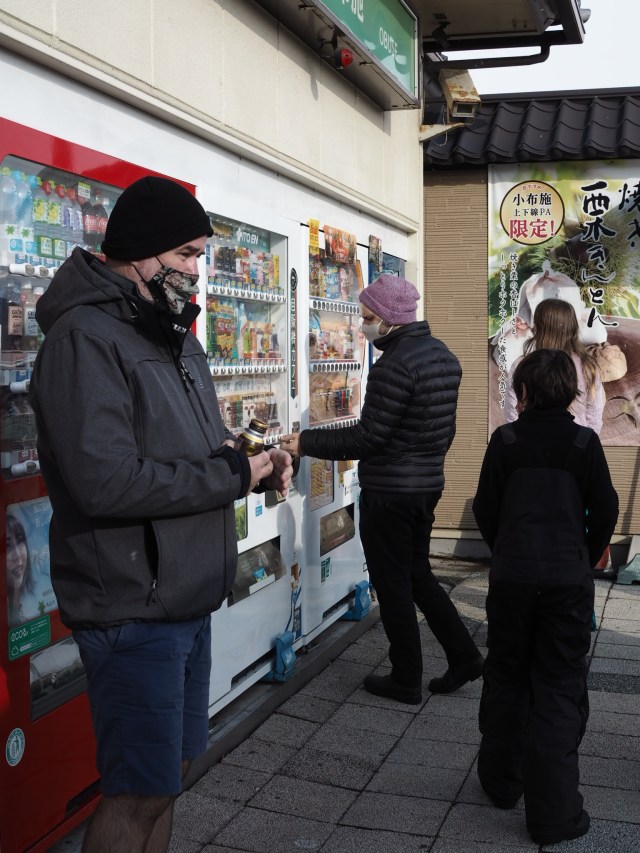
We left early, walked down to the main bus stop (slightly hoping a coach would appear), and were very grateful for a warm waiting room. After driving through snowy villages and winter wonderlands, we stopped at a service station where vending machines served hot cans of coffee, which felt oddly magical.
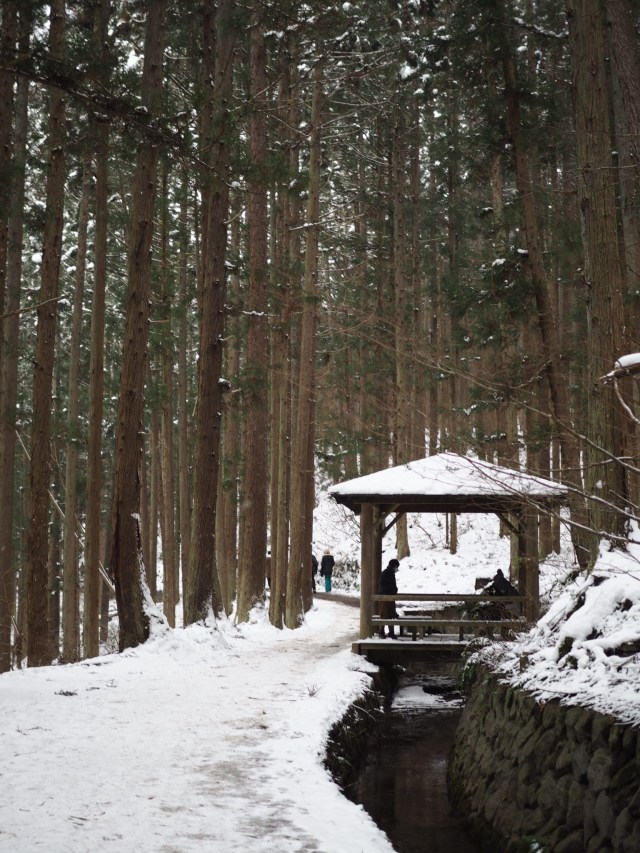
The walk up to the monkeys is a snow-covered forest path alongside a river. If you’re lucky, you’ll spot monkeys along the way. About 45 minutes later, you arrive at the hot springs.
Watching Snow Monkeys in an Onsen
We were told that years ago, the monkeys used to gather around a local hotel’s onsen for warmth, until one fell in and they all realised it was actually quite lovely. Cue all the monkeys learning that hot water was the best way to survive winter. The hotel owner eventually built them their own pools, which is where you see them today.
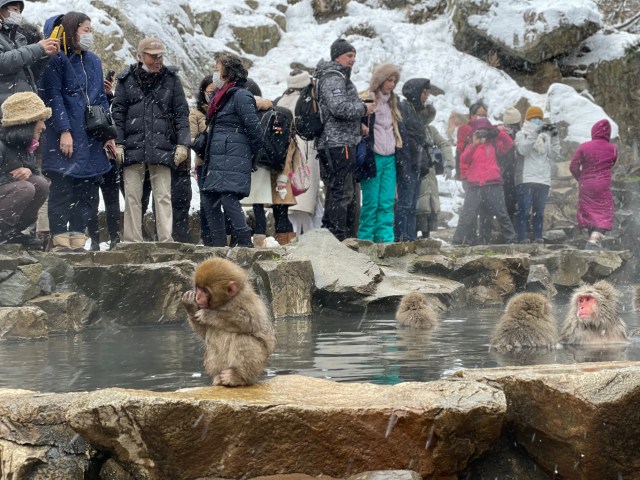
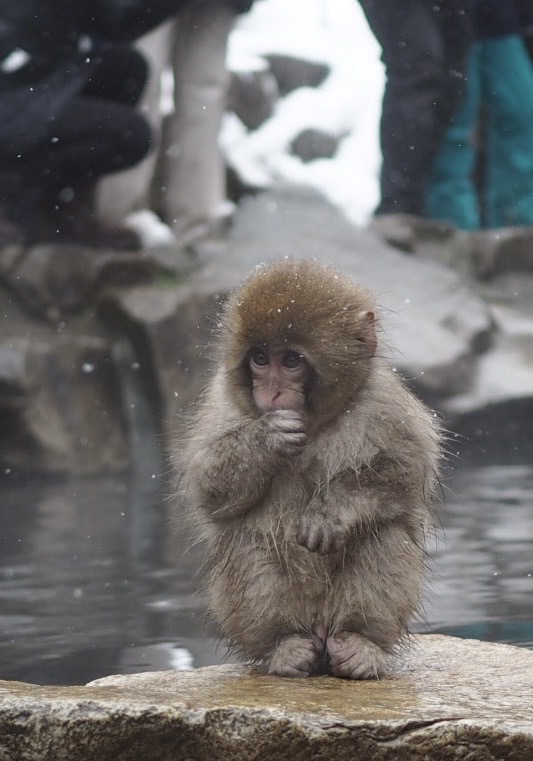
Watching them sit there with zen-like expressions, occasionally bickering, mostly just chilling, was endlessly entertaining. We stayed far longer than planned before walking back down to the coach.
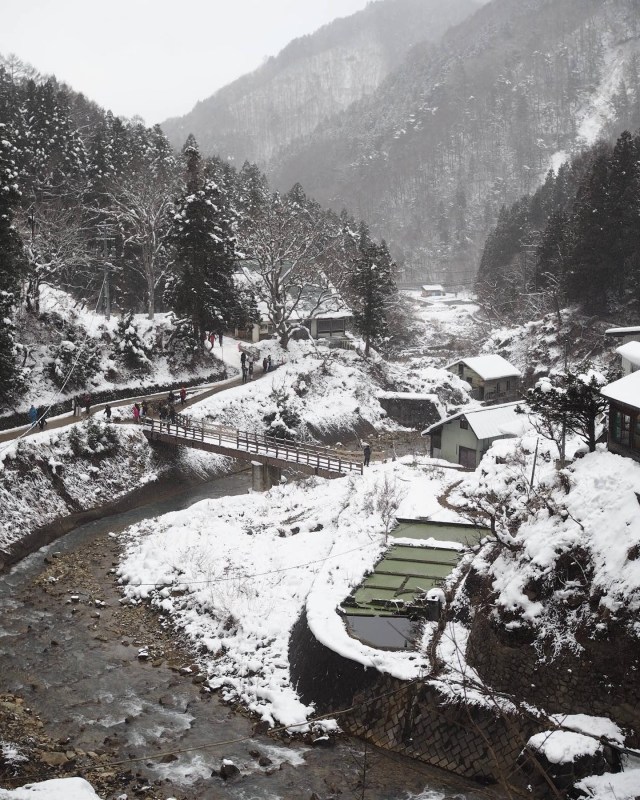
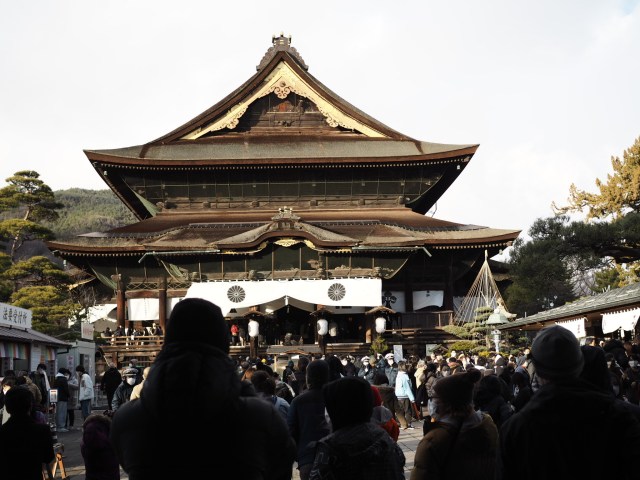
The rest of the day included a traditional lunch, a visit to a sake-making town, and a temple stop where our guide shared insights into the area and religion. I’m not normally one for group tours, but this one was beautifully done and never felt rushed.
Final Thoughts on Skiing in Hakuba, Japan
After the snow monkey day, we skied for a few more days before heading back to Singapore. What I haven’t mentioned yet is the snow itself, it never got slushy. It was so dry it squeaked under your skis and we barely queued for lifts.
Some of the runs in neighbouring valleys were much harder than expected, green runs that felt more like black runs, and we only attempted those once before retreating. But between the blue skies, incredible food, hot sake at lunch, and onsens at the end of the day, we were utterly spoiled.
Skiing in Europe won’t be the same.
FAQs: Skiing in Japan & Visiting the Snow Monkeys
Is skiing in Japan good for beginners and families?
Yes, Hakuba is especially well suited to beginners and families, with gentle runs, excellent ski schools, and plenty of family-friendly accommodation. Our kids were skiing confidently from day one, and the overall atmosphere felt relaxed and welcoming.
When is the best time to go skiing in Japan?
Peak ski season in Japan runs from late December to February, when snowfall is at its best. We travelled over Christmas and were treated to dry, powdery snow and blue skies, ideal skiing conditions.
Can you visit the snow monkeys from Hakuba?
Absolutely. The snow monkeys make a brilliant day trip from Hakuba, either independently or as part of a guided tour. The journey through snowy villages and the forest walk to the onsen pools is all part of the experience.
Is skiing in Japan worth the long journey?
Without hesitation, yes. Between the quality of the snow, the lack of lift queues, incredible food, relaxing onsens, and unique experiences like seeing snow monkeys, skiing in Japan felt completely different, and very special.
 Weaving my Way