

Before I became an expat myself, I watched a few friends move abroad and eventually come back. My mindset at the time was very much, well they moved away, so it’s up to them to make the effort to keep in touch.
In hindsight, that was such an immature approach, and one I really regret. Of course, I would always make time to see them when they came home and I genuinely loved those catch-ups. But in-between visits? It was quiet. Life carried on. I didn’t water those friendships.
Fast forward to nine years ago, when we moved to Singapore.
At the start, I was super lonely. I felt completely ripped away from my friends in the UK. I spoke to a few of them often, sharing our adventures and new discoveries. But somewhere along the way, I stopped looking after those friendships as much as I wish I had. I was so wrapped up in building our new life abroad.
And building that life took more energy than I ever imagined.
The Reality of Making Friends Abroad
When we moved to Singapore, I had visions of pool picnics and sipping wine by the pool on a Friday afternoon. The reality, at least for the first six months, was very different. It was quiet. Slow. Awkward at times. Gently slipping into friendships rather than diving straight in (this did become a beautiful reality though).
I had a list of about 12 contacts I’d been given, friends of friends, old colleagues, vague connections. It felt strange going on what were essentially potential friend dates. Some worked. Others didn’t.
But here’s the thing about the expat world: you are rarely left standing alone for long.
At school drop-off, someone will talk to you. Your kids will be friends with everyone in the pool by the time you leave. And the friendships you make often accelerate quickly. I put this down to time. Nobody is fixing up their house, mowing the lawn, juggling extended family commitments or long-standing friendship groups. So when you ask if someone is free to go to the beach for dinner or meet by the pool, the answer is generally, “Sure, what time?”
Our world in Singapore was small geographically too. Most friends lived within five minutes’ walk, and no more than 30 minutes away. Spontaneity was easy.
Some of my fondest memories of visiting “home” during those years were the friends who arranged a weekend away so we could really catch up. The ones who invited us over for a home-cooked meal. The ones who understood that when you live abroad, time together matters differently.
The Perils of Expat Community Life
One of the hardest parts of expat life isn’t just moving abroad, it’s the constant goodbyes.
Early on, I made a local friend (also a Brit, one of the few we became close to). Not long after we arrived, she moved back to Australia. It was bittersweet, grateful to have met her, but sad we didn’t get more time.
And then there was the year after Covid finally did one. Around 20 families we knew left Singapore in what felt like a mass exodus. We were actually out of the country when it happened, and in some ways, I’m grateful. I don’t think my heart could have withstood that many goodbyes in such a short space of time.
That’s the thing about expat friendships. They burn bright. They are intense. They are real. But they are often temporary.
After that summer I signed myself up to art class and also french lessons, this was more to keep myself busy and keep my mind active but I actually made some lovely friends at French class both locals and expats. So I guess that’s some advise to keep close, join a club and you might be surprise by the people you meet.
Repatriating: The Harder Move
Then comes repatriating, moving back to your “home” country after living abroad.
By the time we left Singapore, many of our close friends had already scattered around the world, so thankfully we didn’t have too many final goodbyes. But I will say this honestly: moving back home has been harder for me than moving abroad ever was.
Moving abroad is full of novelty. New places. New people. New systems to figure out. You cocoon yourselves in this exciting new chapter. Even setting up your dentist, finding supermarkets, discovering a hairdresser who can actually do balayage — it all feels like progress.
Coming home is different.
You know the area. You know the places. That buzz of discovery isn’t quite there. Yes, you can revisit old favourites, but your friends and family have fallen into new rhythms. And you’re no longer part of them.
You have to squirrel yourself back into social calendars that are already full.
We’ve found that people simply don’t have as much time in the UK to hang out. In Singapore, everything was within a 20-minute drive, usually five. Now? There’s travel time, traffic, logistics. A friend laughs at me because my mindset is still very much that everything is “just 20 minutes away.” The reality is different.
It’s harder to pop in for a cuppa. Harder to spontaneously meet for a wine. And let’s be honest, the weather doesn’t help.
When Your Kids Repatriate Too
Repatriating isn’t just an adult experience, it’s huge for children.
My kids were so small when we left the UK that when we returned, their old friendships had dispersed. It took a long time for them to integrate into clubs and activities. I think it was nearly a year before another child would properly talk to my daughter at swimming or netball.
And don’t get me started on football.
One of the best pieces of advice I was given about moving country with kids was this: keep them in the same sports, and hold onto family traditions, Friday night movie night, Saturday pizza, Sunday waffles. Those rituals anchor them when everything else feels uncertain.
So we tried to keep football for our son. He trialled with a few clubs, but we were told their standard was too high (he was 11, not Premier League, just wanting to play for enjoyment). One team let him train for a season, but wouldn’t let him play matches. The following year, they said he wasn’t welcome back, even for training, because they didn’t want to “upset the boys they had with too much change.”
These were boys he had gone to primary school with.
I genuinely think the FA and other sports federations should have better policies to support children who relocate. Being welcomed into a team could make all the difference when everything else feels up in the air.
I will say though, the coaches at our swim club have been brilliant from day one. Warm, welcoming, inclusive. It makes such a difference.
The Friendships That Stretch Across Borders
Integrating back in with my teenage friends has been hard too. They’re busy. I live about an hour away. Meet-ups tend to happen in their area, so I’m usually the one driving over, which I understand.
The school-mum friendships I had before we left have mostly evolved into their own established circles.
Sometimes I wish I’d watered those friendships more while we were abroad. More visits home. More phone calls. More letters. The beauty of hindsight.
Family has shifted too. In some ways, I saw more of my brother when we were in Asia, he used us as a base while travelling. And my husband’s family got used to us not being there, and vice versa.
But one friend, who had been an expat herself, never stopped. She sent letters and presents. I loved sending her gifts too. She understood the effort required to stretch a friendship across time zones.
And now? My world feels beautifully scattered.
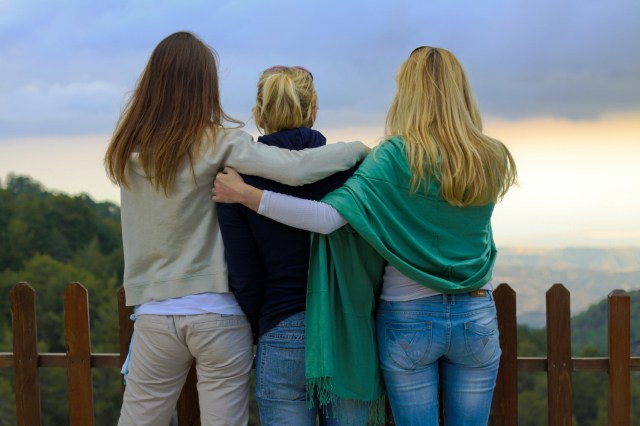
I spend a lot of time with my Singapore friends. They come to visit us, or we travel to see them, I’ve just got back from Porto visiting one. We catch up with those who now live in the UK. These friendships might be geographically stretched, but they are deeply rooted.
What I’ve Learned About Expat Friendships
Living abroad teaches you that friendships require watering, whether you’re the one who moved or the one who stayed.
Expat friendships are intense because they have to be. You become each other’s family. But they are also fragile, because expat life is often transient.
And repatriating? That can feel lonelier than moving abroad.
If I could go back, I would make more effort with the friends who moved away before I did. I would water the friendships at home more carefully while I was abroad.
Because whether you’re moving abroad, raising kids overseas, or returning home after living overseas, friendships are the thread that hold the whole experience together.
And they deserve tending.
 Weaving my Way